
What should you study in 2026 to secure your professional future? The rapid evolution of technology, artificial intelligence, and the transition toward clean energy are redefining the global job market. If you want to position yourself for success, the best options for study and specialization today are concentrated in four major areas with high hiring rates: Artificial Intelligence and Software Development, Biotechnology and Advanced Health, Renewable Energy and Sustainability, and Business and Data Analytics (FinTech).
Choosing a profession is no longer just about looking for the most traditional career path, but about identifying those dynamic areas where the demand for qualified professionals far exceeds the supply available in the market. Below, we analyze in depth the professional areas with the greatest projection and the most sought-after profiles for the year 2026.

To make a fully informed decision, let's compare the four areas with the highest growth and their key characteristics:
| Future Area | Key Careers | Estimated Growth |
|---|---|---|
| Technology and AI | Prompt Engineering, Cybersecurity, DevOps. | +35% Annual job vacancy growth. |
| Biotech and Health | Bioinformatics, Genomics, Telemedicine. | +28% Higher demand due to aging. |
| Green Energy | Environmental Engineering, Carbon Consulting. | +30% Due to ecological regulations. |
| Business and Data | Data Engineering, FinTech, Product Analytics. | +25% Greater need for rapid decisions. |
1. The job areas with the highest growth in 2026
Artificial Intelligence and Software Development
The technology sector continues to lead global job creation indisputably. However, specialization in 2026 is mandatory: basic programming is giving way to advanced roles in AI systems integration, cybersecurity experts, and cloud architects. Specific profiles such as Prompt Engineer and LLMOps (Large Language Model Operations) specialist have become the backbone of modern business infrastructure. According to industry reports, companies are looking for professionals capable of integrating artificial intelligence models securely, reducing operational costs, and automating traditional workflows without compromising corporate information privacy.
Additionally, the large-scale deployment of AI Agents (autonomous agents) requires developers who understand the cognitive logic of algorithms and the orchestration of complex APIs. According to tech job market statistics, the annual growth of vacancies in these areas exceeds 35%, with starting salaries considerably higher than the average for the basic software development sector.
- Pros: Salaries well above the market average and high flexibility for remote work.
- Cons: Requires constant upskilling and continuous self-learning due to the speed of technological change.

Biotechnology and Advanced Health
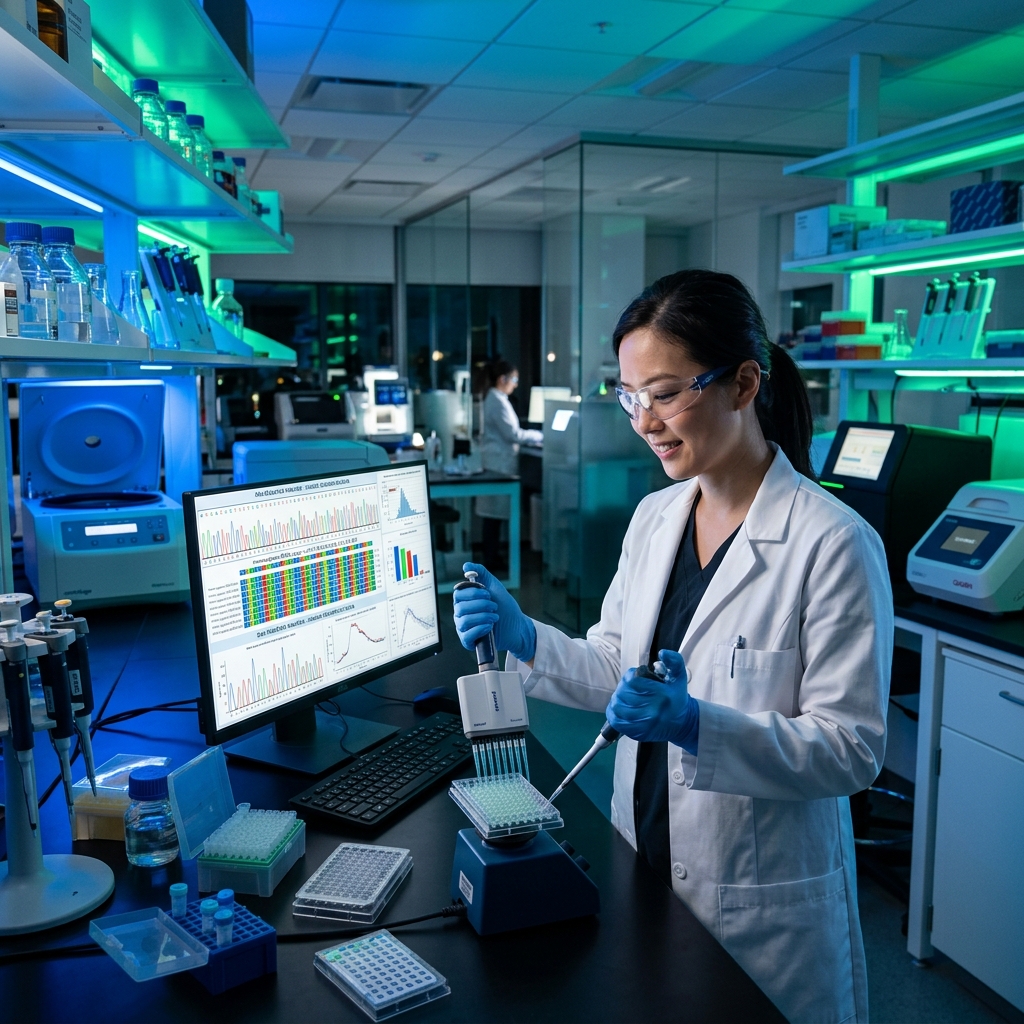
Healthcare is undergoing an unprecedented revolution thanks to the massive analysis of large volumes of biological data. Bioinformaticians and specialists in preventive medicine and genomics are highly sought after today to design personalized treatments adapted to each patient's genetic profile.
DNA sequencing and biostatistics are no longer exclusive tools of research laboratories, but pillars of daily clinical practice that help predict diseases before their first symptoms manifest.
Demographic aging in developed countries and hospital digitalization guarantee sustained long-term demand. Professionals who combine medical knowledge with skills in software development and data science have virtually immediate job placement. The growth of positions for specialists in telemedicine and smart medical devices has seen a constant increase of 28% annually in recent hiring periods.
- Pros: Work with a direct social impact on people's quality of life and longevity.
- Cons: Careers often require very long study periods and strict regulatory certifications.
Renewable Energy and Sustainability
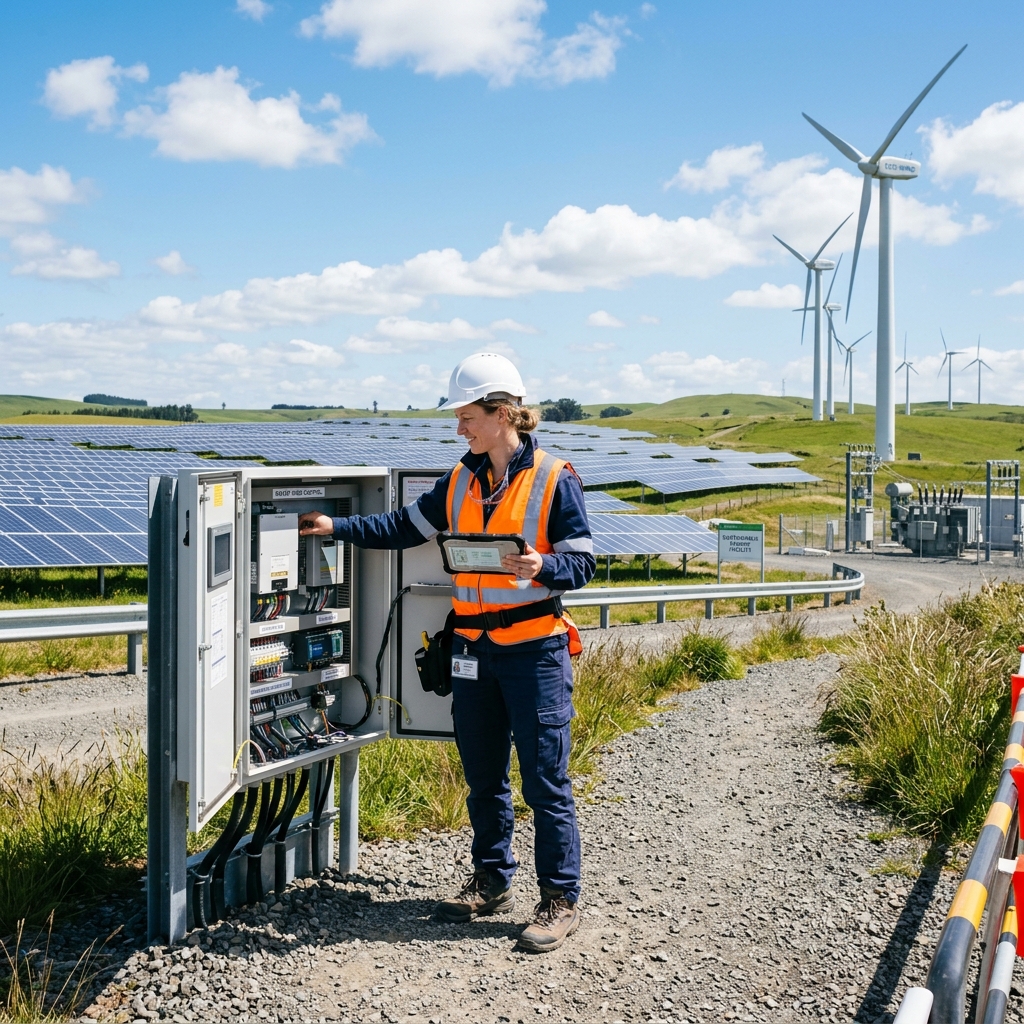
The climate crisis and international decarbonization regulations are forcing all industries to transition rapidly toward carbon neutrality. This has triggered a search for environmental engineers, ecological audit experts, and designers of Smart Grids. Professionals in this field are responsible for planning and implementing energy storage systems and optimizing charging infrastructure for electric vehicles, ensuring the energy resilience of cities.
The development of carbon capture technologies and sustainable water management are other critical fields currently expanding. Backed by robust international public and private investments, this sector offers stable contracts with significant technical growth potential, seeing a 30% annual increase in the demand for technical profiles focused on sustainability.
- Pros: A sector in full expansion with solid support from global public and private investments.
- Cons: Many vacancies require geographic relocation to production plants or energy parks.
Business and Data Analysis (FinTech)
Modern companies accumulate more data than they can effectively interpret. Translating that massive amount of information into strategic business decisions, workflow optimization, and digital financial products is the mission of data engineers and quantitative analysts. In the FinTech sector, the automation of financial processes through advanced algorithms and artificial intelligence has radically transformed risk management, fraud detection, and the design of intelligent investment portfolios for retail users.
This sector demands not only technical skills in SQL or Python but also a deep business vision and the ability to ask the right questions. The growth of predictive analysis applicable to customer consumption behavior has consolidated the data analyst as one of the indispensable pieces of any board of directors, recording a sustained annual growth in job offers of 25%.
- Pros: Excellent projection in international corporations and high strategic relevance in decision-making.
- Cons: High stress level when managing significant budgets and tight deadlines.

2. Key skills to stand out in today's market
In 2026, recruiters will not only evaluate your specialized technical knowledge (hard skills), but also your adaptability and interpersonal skills (soft skills). According to the latest report on the future of employment by the World Economic Forum (WEF), which details global megatrends, the hybridization of profiles is fundamental. Organizations especially value hybrid professionals: individuals who possess a solid foundation in a classic discipline (such as law or administration) but who also master automation tools, data analysis, or artificial intelligence.
The perfect combination to stand out in today's selection processes includes the following key competencies:
- Growth mindset and adaptability: The willingness to unlearn and constantly assimilate new methodologies.
- Analytical thinking and complex problem-solving: The ability to break down information and formulate solutions using data logic.
- Assertive communication and empathy: Knowing how to translate complex technical concepts to non-technical audiences in a highly simple and collaborative way.
To ensure your resume stands out and successfully passes the automatic filters of recruitment systems (ATS), make sure to analyze your CV with our AI tool to guarantee that your profile is competitive against the real requirements of the job market.
Learning how to choose your professional path will set the course for your success in the job market. In this video, we show you how to analyze your talents and project your professional future successfully in an interactive way:
How to choose the ideal career for the future
3. A word of encouragement for your professional choice
Deciding what to study or where to redirect your career can generate uncertainty and emotional pressure. However, you must remember that learning is a continuous journey and no current choice defines you forever. The modern work environment rewards curious and adaptable people. Prepare yourself with dedication, choose an area that sparks your intellectual curiosity, and trust in your ability to adapt to changes. The future is full of opportunities for those who never tire of learning!

4. Quick steps to prepare today
1. Step 1: Develop hybrid skills. Combine your main specialty with practical knowledge of automation or data interpretation.
2. Step 2: Build a visible portfolio. Carry out real practical projects and upload them to educational platforms or GitHub to demonstrate your competencies.
3. Step 3: Foster resilience and continuous learning. Stay up to date with short courses and readings on innovations in your sector to ensure your employability.
About the Author
Eng. Wilder Taype is a specialist in tech recruitment and vocational guidance, with over 12 years of experience advising international companies on digital talent acquisition. You can contact him through his LinkedIn Profile for professional development inquiries.